
Why Your Warranty Experience Still Sucks in 2025?
The Ultimate Guide for Brands to Manage Their Warranties in 2026
In the last 3 years, I have worked with 300+ brands globally, and every time it’s the same story of their frustrated customers:
The 30-Day Warranty Nightmare (That Didn’t Need to Happen)
Sarah bought a $300 smart coffee maker from Walmart. Great product. She loved it ❤️.

The brand's website asked her to register her warranty. She filled out a Google Form. Submit. Done. She assumed everything was set.
Three months later, the heating element stopped working. ⚠️

📧 Claim Requested (Day 1): Sarah contacts customer support. Her claim gets logged in Zendesk. The support agent asks for proof of purchase. Firstly, Sarah couldn't find her receipt (FACT - nobody keeps it 🧾).

📦 Return Authorized (Day 3): After multiple back-and-forth emails, support asks her to ship the product. The agent opens USPS.com. Generates a return label. Emails it through Zendesk.

🏭 Product Received (Day 10): The coffee maker arrives at the warehouse. The warehouse team is confused. No record of this return. They email customer support: "Who is Sarah? Why did she send us this?" Support forwards the Zendesk ticket thread.

⏳ Repair Queue (Day 15): The product finally enters the repair queue.

🔧 Repair Completed (Day 22): The technical team completes the repair. Seven days of work. Zero communication to Sarah. Sarah has sent three "Where's my product?" emails. 😤 Each time, customer support checks with technical. Waits for response. Relays updates back.

💥 Payment Required (Day 25): Plot twist. The damage isn't covered under warranty. Technical team tells support to collect payment. Customer support sends Sarah a Stripe payment link. She reluctantly pays $85. 💳

📮 Product Shipped (Day 27): The product ships back. Technical team generates a label from FedEx.com. No one tells Sarah it's coming.

❓ Status Unknown (Day 30): Sarah emails customer support again: "Where is my coffee maker?" The support agent has no idea it shipped two days ago.
Your team copies data between tools 47 times per claim. Every handoff loses context. Customers call five times asking “where’s my claim?” Your support team spends 35% of their time on status updates instead of actually solving problems.
Most D2C brands today manage warranties with a chaotic mix of tools:
Zendesk, Gorgias, Hupspot for support tickets
Google Sheets for tracking claims
QuickBooks for invoicing
FedEx, USPS, and UPS websites for generating shipping labels
Stripe for payments
Email for everything else (internal and external communication)
Count them. Six different tools. Zero visibility. 5 wasted hours per claim. Another frustrated customer.
The Warranty Infrastructure Modern Brands Need in 2026
1. 🔧 Single System Era:
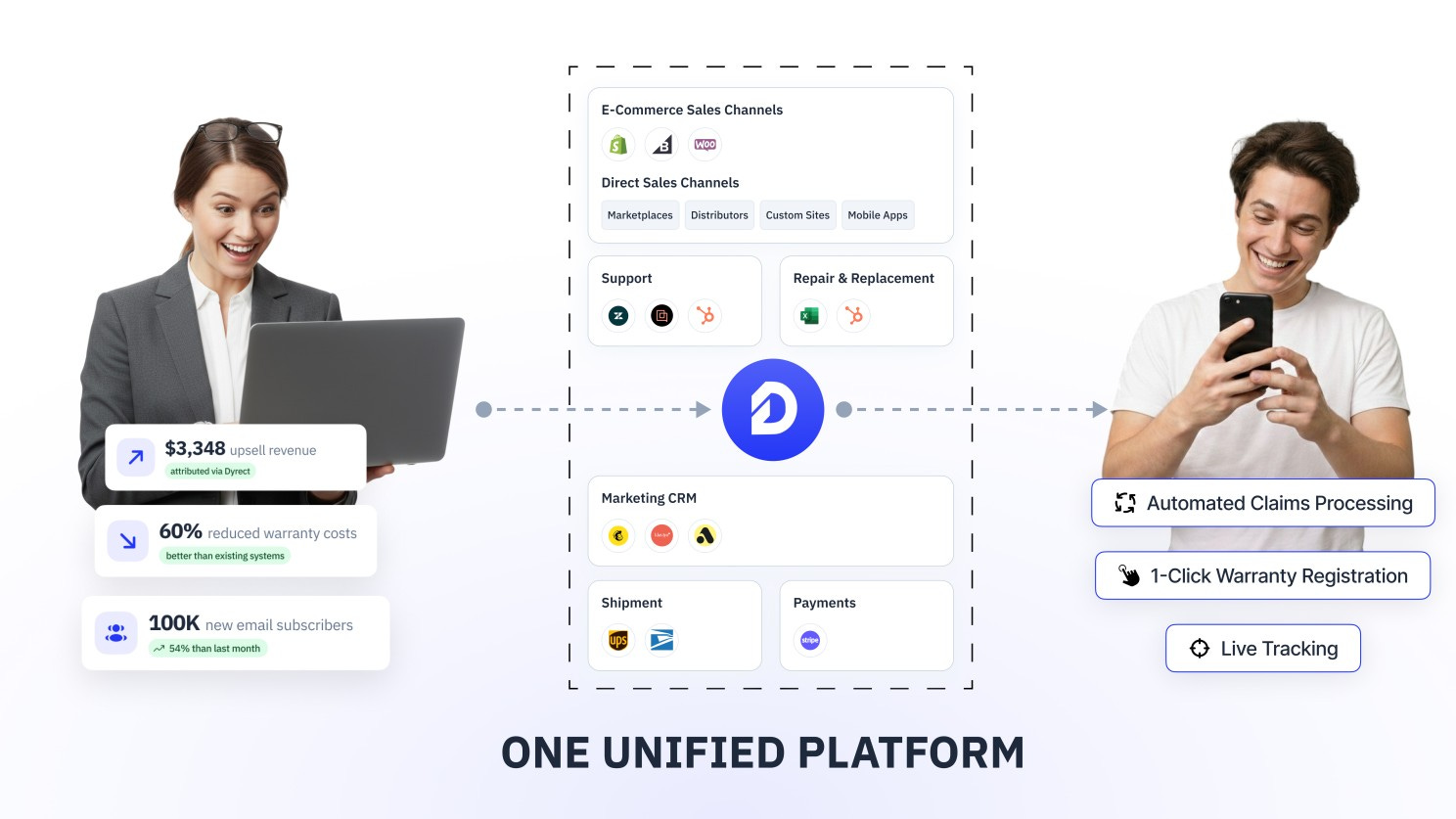
One unified platform. Every step of the warranty lifecycle in a single system.Customer buys the product -> registers product → Submits claim with photos → AI triages and validates → Approval happens automatically → Shipping label generates → Payment processes (if needed) → Customer gets real-time updates → Data feeds analytics dashboard.
Zero copy-pasting. Zero context switching. Zero, “let me check another system.”
Why This Matters:
While helping with 100s of brands at Dyrect - AI Warranty Software , we are seeing processing time drop from 12 days to 4.8 days. Their “where’s my claim“ call volume dropped by 90%.
But here’s the real insight: their first-call resolution rate jumped 25% because agents finally had complete context in one screen. Single systems aren’t just about efficiency. They’re about actually solving customer problems.
2. Make Customer Experience Your Differentiato

Here’s the uncomfortable truth: Your product probably isn’t that different from your competitors. Same materials. Similar pricing. Comparable features. Even your marketing messages sound alike.
So what makes a customer choose you—and more importantly, stay with you?
✅ The Post-Purchase Warranty Experience.Imagine this:
➡️ Customer scans a QR code on their product packaging. Warranty registers instantly. They get a beautiful digital certificate.
➡️ Six months later, something breaks. They open the branded warranty portal, submit a claim in 60 seconds, and upload a quick video showing the issue. AI validates it immediately. Approval comes within hours, not days.
➡️ They get a text: “Your replacement ships tomorrow. Here’s your tracking link.”
➡️ Two days later, the new product arrives. The customer thinks: “Wow, that was actually... easy?”
➡️ They tell their friends. They leave a 5-star review. They buy from you again.
Why This Matters:
We’re living in an age where customers expect Amazon-level convenience everywhere. Your warranty experience is likely the first time a customer interacts with your brand after the purchase wears off.
That interaction determines whether they become a loyal advocate or a cautionary tale on Reddit.
3. AI-First Warranty Operations (The Real Game-Changer)
Reality:
Your support team manually reviews every claim. They squint at blurry photos, trying to determine if that’s a manufacturing defect or user damage. They email back and forth, asking for better pictures, original receipts, and proof of purchase.
30% of your claims are fraudulent or outside warranty terms, but you approve them anyway because fighting each one costs more than just replacing the product.
Meanwhile, legitimate customers get caught in the same suspicious review process, waiting days for someone to manually verify what should be obvious.
The 2026 Reality:
AI handles the entire validation workflow.
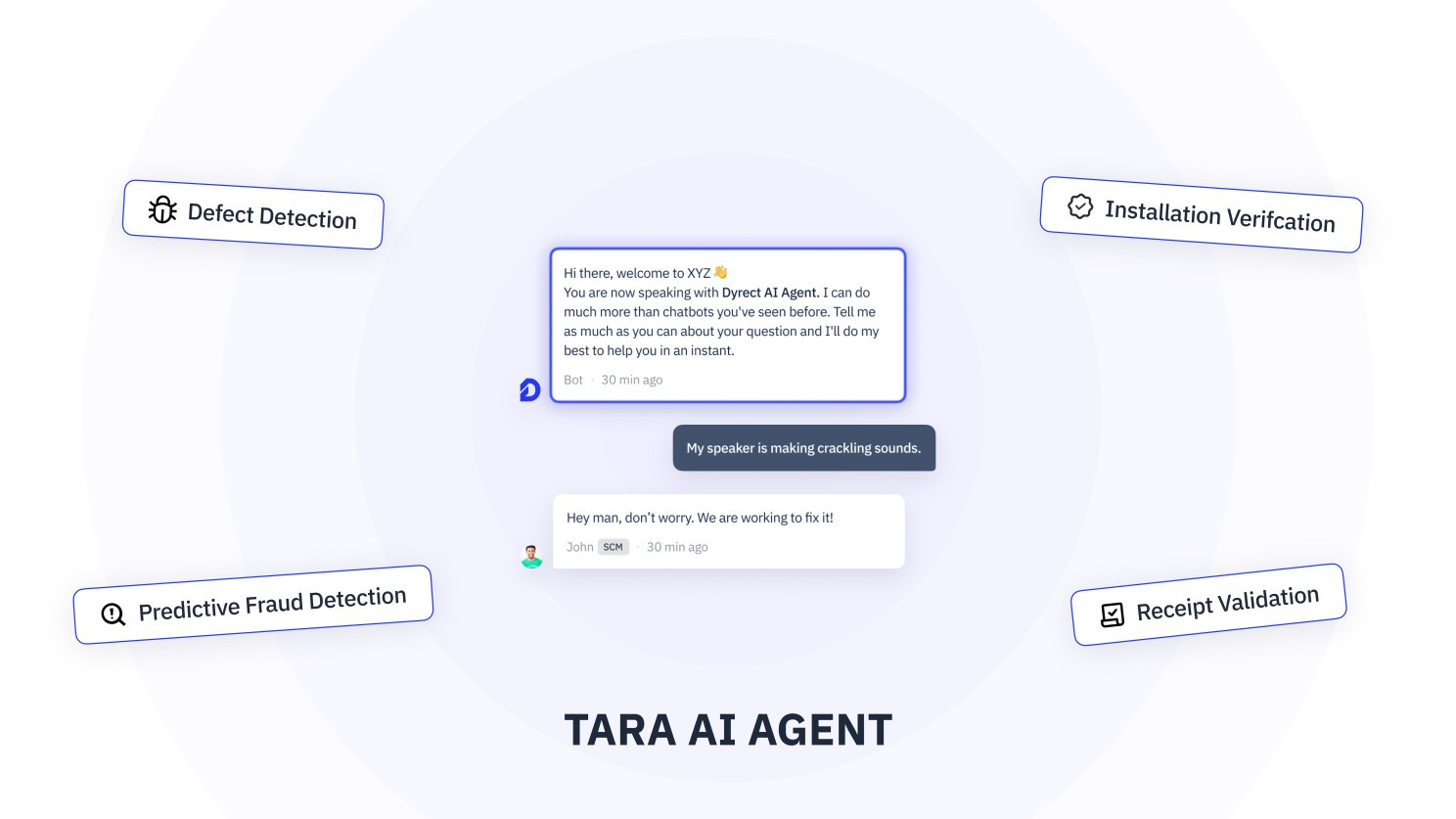
📸 Receipt Validation: Customer uploads a photo of their receipt (even a crumpled, coffee-stained one). AI instantly extracts: purchase date, retailer, product SKU, price paid. It cross-references with your authorized dealer list. Flags if the date is outside warranty period or if the retailer is unauthorized.
Result: Fraud drops 40%. Legitimate customers get instant verification instead of waiting for a human to review.
🔍 Defect Detection: Customer uploads photos or video of the damaged product. AI analyzes the images using computer vision trained on thousands of warranty claims.
It recognizes:
Manufacturing defects (seam failures, material flaws, component breakage)
Normal wear and tear (expected degradation over time)
User damage (impact marks, water damage, misuse patterns)
Installation issues (incorrect assembly, missing parts)
The AI doesn’t just flag issues—it categorizes them, suggests troubleshooting steps, and automatically routes complex cases to human specialists with full context.
Result: 60% of claims auto-approved without human touch. Average resolution time drops from 5 days to 4 hours.
✅ Installation Verification:
For products that require assembly, customers upload a quick video or photo of their setup. AI verifies correct installation, identifies common mistakes, and provides guidance before problems even occur.
Result: 35% reduction in claims caused by user error. Customers get help before things break.
🚨 Predictive Fraud Detection:
AI analyzes patterns across thousands of claims: same customer, multiple claims. Claims clustered by geography or timing. Unusual damage patterns. Suspicious purchase channels.
It doesn’t accuse anyone—it simply flags anomalies for human review while fast-tracking obviously legitimate claims.
Result: You stop treating every customer like a potential fraudster while actually catching the real fraud.
Why This Matters:
I’m not talking about chatbots that frustrate customers. I’m talking about AI that makes the warranty experience faster, fairer, and more accurate than any human process could be.
At Dyrect, our AI agent Tara (to be launched soon) already handles warranty registrations, claim submissions, and status updates through natural conversation. Customers don’t even realize they’re talking to AI—they just know their problem gets solved fast.
🛄 Automate Claims Processing
AI handles the entire validation workflow in seconds.
🔍 Automated Visual Inspection: Customer uploads photos or video of their damaged product. AI analyzes the images instantly using computer vision trained on thousands of warranty claims.
It recognizes:
Manufacturing defects (seam failures, material flaws, component breakage patterns)
Normal wear and tear (expected degradation over time based on product age)
User damage (impact marks, water damage, misuse indicators)
Installation issues (incorrect assembly, missing components, setup errors)
The AI doesn’t just flag issues—it categorizes them with confidence scores, matches them against your warranty terms, and auto-approves straightforward cases. Complex or edge cases get routed to human specialists with full AI analysis and recommendations.
📋 Rule-Based Auto-Processing:
Once the AI validates the claim type, your business rules kick in automatically:
Manufacturing defect within 90 days? → Auto-approve replacement
Wear and tear after 18 months? → Offer paid repair with a 20% loyalty discount
Missing part during installation? → Auto-ship replacement component
User damage with an extended warranty? → Route to paid repair workflow
No human intervention needed for 60-70% of claims. Your team focuses only on exceptions and complex cases.
🧠 Continuous Learning:
The system gets smarter with every claim it processes. It learns from technician feedback when repairs are completed. It identifies patterns across product lines. It spots emerging defect trends before they become recalls.
After processing 1,000 claims, your AI is more accurate than any human reviewer. After 10,000 claims, it’s predicting issues before customers even file claims.
Manual Inspection takes a lot of time. With the rapid advancement in AI, Warranties can be evaluated (using photos/ Videos) automatically, and auto processed for repairs and replacements based on the business rules. System learns as it processes more orders.
Result: Your Warranties gets processed faster without human labour, higher accuracy.
Why This Matters:
At Dyrect, we’re already seeing this in action. Brands using AI-powered visual inspection are processing claims in 4 hours instead of 4 days.
But here’s what matters more than speed: accuracy. AI doesn’t have bad days. It doesn’t get tired. It doesn’t let obvious fraud slip through because it’s overwhelmed.
And your customers? They get instant decisions instead of waiting in limbo wondering if anyone is even looking at their claim.
4. 💰 Warranties Become Revenue Centers (Not Just Cost Centers)
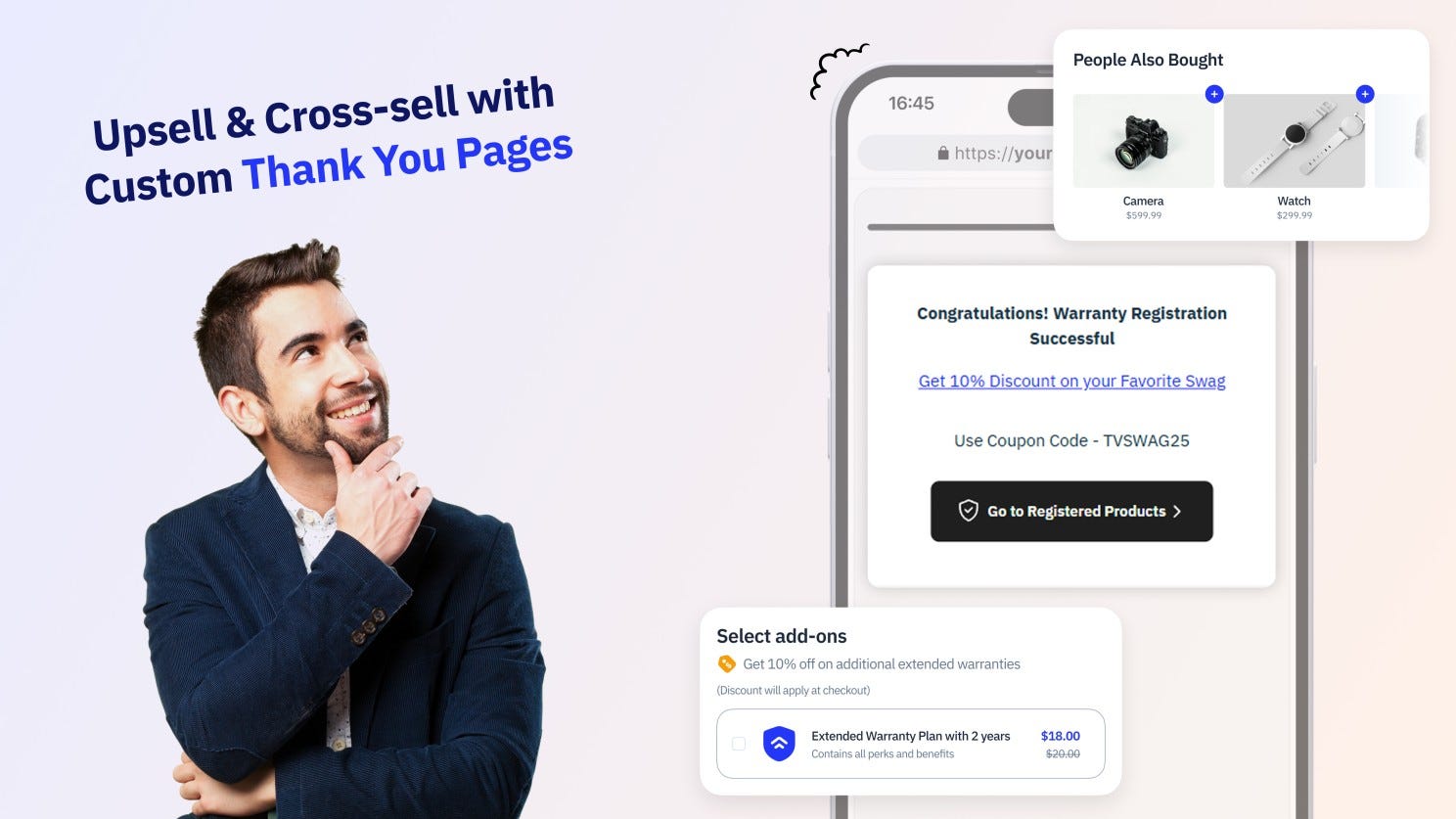
Imagine this: when a customer submits a claim, you already have their attention. They're engaged with your brand. They're in your system. This is the perfect moment to offer value.🛡️ Extended Warranty Upsells:
“Your standard 1-year warranty is expiring in 3 months. Extend to 3 years for just $49?”
Conversion rates on these offers are 15-25% when presented at the right moment—during registration or right before warranty expiration. Compare that to cold email campaigns that convert at 2-3%.
🛍️ Accessory Cross-Sells:
Customer claims a broken charging cable? Offer them a 3-pack of premium cables at a discount while processing their warranty.
“We’re sending a replacement cable. Many customers also pick up our 3-pack bundle so they always have a backup. Add to your order for 20% off?”
⬆️ Upgrade Opportunities:
Customer’s product is out of warranty? Don’t just say “sorry, can’t help.”
“Your warranty has expired, but we’d love to offer you 30% off our newest model as a loyal customer. Plus, we’ll give you a trade-in credit for your current unit.”
🔄 Consumables & Parts:
For products that need regular maintenance (air filters, replacement parts, cleaning kits), the warranty portal becomes a replenishment hub.
Automatic reminders. Subscribe-and-save discounts. Bundled offers.
Map every touchpoint in your warranty journey. Where can you add value instead of just processing claims? Extended warranties? Accessories? Upgrades? Trade-ins? Start testing offers now.
5. 🔁 Loyalty Through Reliability (The Compounding Effect)
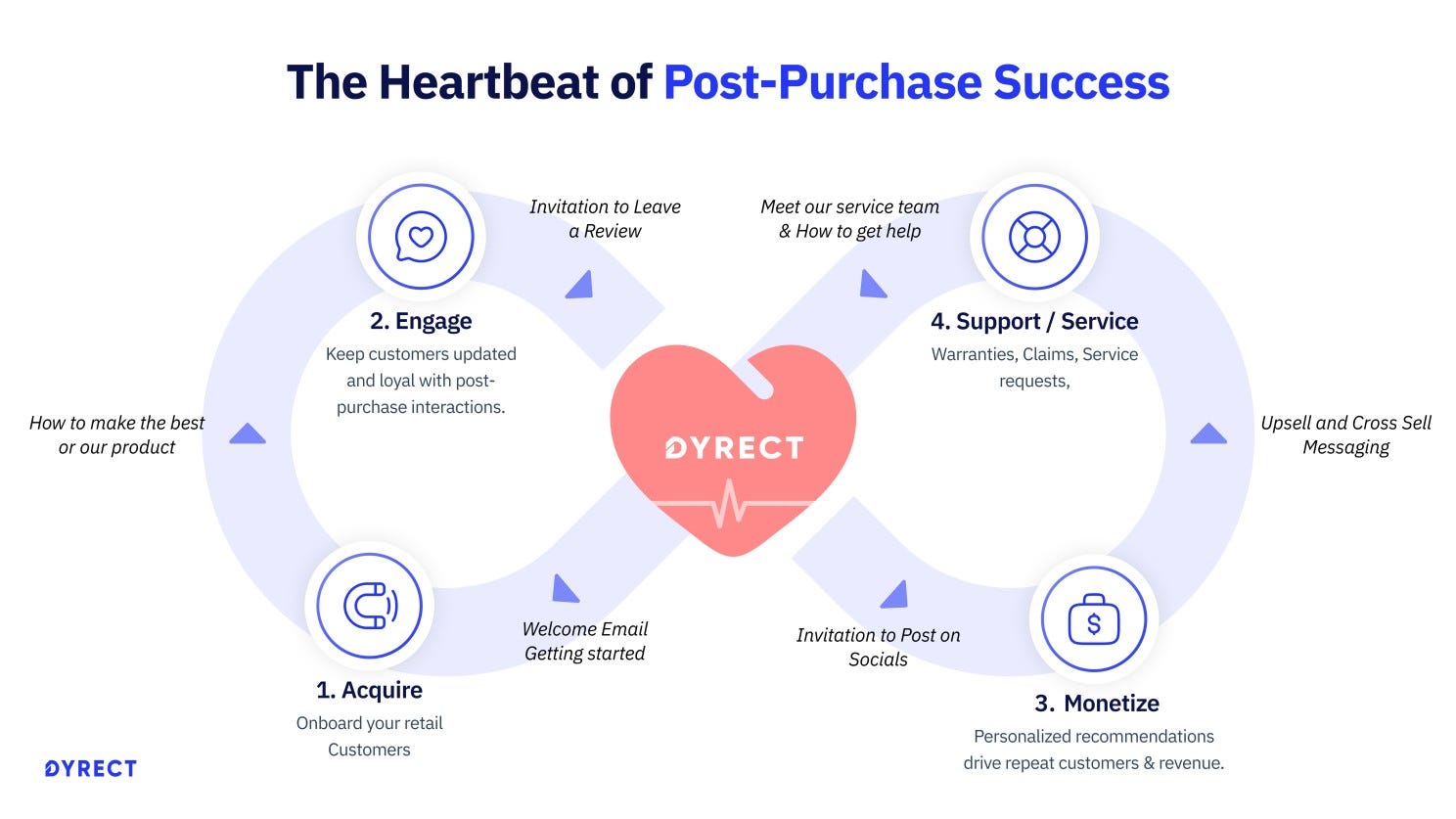
Customer acquisition costs are at all-time highs. CAC has increased 60% in the last five years across most industries. Meanwhile, the probability of selling to an existing customer is 60-70%.
Here’s what most brands miss: Warranty isn’t the end of the customer journey. It’s the beginning of loyalty.
The customer has a problem. You fix it fast, with zero friction. They’re impressed. They tell three friends. They post on social media: “Can’t believe how easy this was.”
When their warranty expires, they extend it without thinking. When a friend asks for a recommendation, they don’t just mention your brand—they evangelize it.
Bottom line: The brands consolidating systems, investing in CX, and collecting data today will dominate tomorrow. CAC is skyrocketing—turning existing customers into loyalists through exceptional warranty experiences is the unlock.
💡 What This Means for Your Brand:
You might be thinking: “This sounds great, but I’m busy fighting fires today. I can’t think about 2026.” I get it. I talk to founders and operators every week who are drowning in operational chaos. But here’s the thing: the brands winning in 2026 are making moves today.
They’re consolidating systems. They’re investing in customer experience. They’re collecting data to train AI. They’re testing new revenue models.
They’re not waiting for perfection. They’re iterating.
Three Things You Can Do:
Audit your current warranty process. Go through it as a customer. Time it. Feel the friction. Share it with your team and ask: “Would we tolerate this experience?”
Talk to your best customers who’ve filed claims. Ask them: “What was the hardest part? What surprised you? What would have made it easier?” Their answers will tell you exactly where to improve.
Look at your warranty data. Which products have the most claims? What are the common failure modes? Are there patterns you’re missing? This data is gold for product development and customer experience.
The Dyrect - Warranty Infrastructure Platform
We started building Dyrect not because I saw this future coming, but heard the pain points of 100s of brands with their Customer Warranties.
We’re building the warranty infrastructure that makes all of this possible:
✅ One unified platform (no more duct-taping systems together)
✅ AI-powered validation and fraud detection
✅ Beautiful customer experiences that build loyalty
✅ Revenue opportunities baked into every workflow
✅ Analytics that actually help you make better products
300+ global brands like COURTS SINGAPORE DIGGS Europace AG Clore Automotive Briggs & Riley Takacat Americas Lacuna USA have already enhanced their Warranty Operations. Their customers love self service Warranty Portal. They’re processing claims in hours instead of weeks. They’re turning warranty into a competitive advantage. They’re building customer loyalty that compounds.
The future of warranties isn’t about technology for technology’s sake. It’s about treating customers like humans. Respecting their time. Making promises you keep. Turning problems into opportunities to earn trust.
That future is already here. It’s just not evenly distributed yet.
What has been your best/ worst experience of getting a product replaced or repaired?
#CustomerExperience #Warranties #AI #Ecommerce #CustomerLoyalty #Shopify #SaaS #ProductManagement #DyrectAI